Grants: Graphic novel “Hāmākua Hero” sparks self-discovery, belonging, and resilience
By Dr. Patsy Y. Iwasaki on February 19, 2026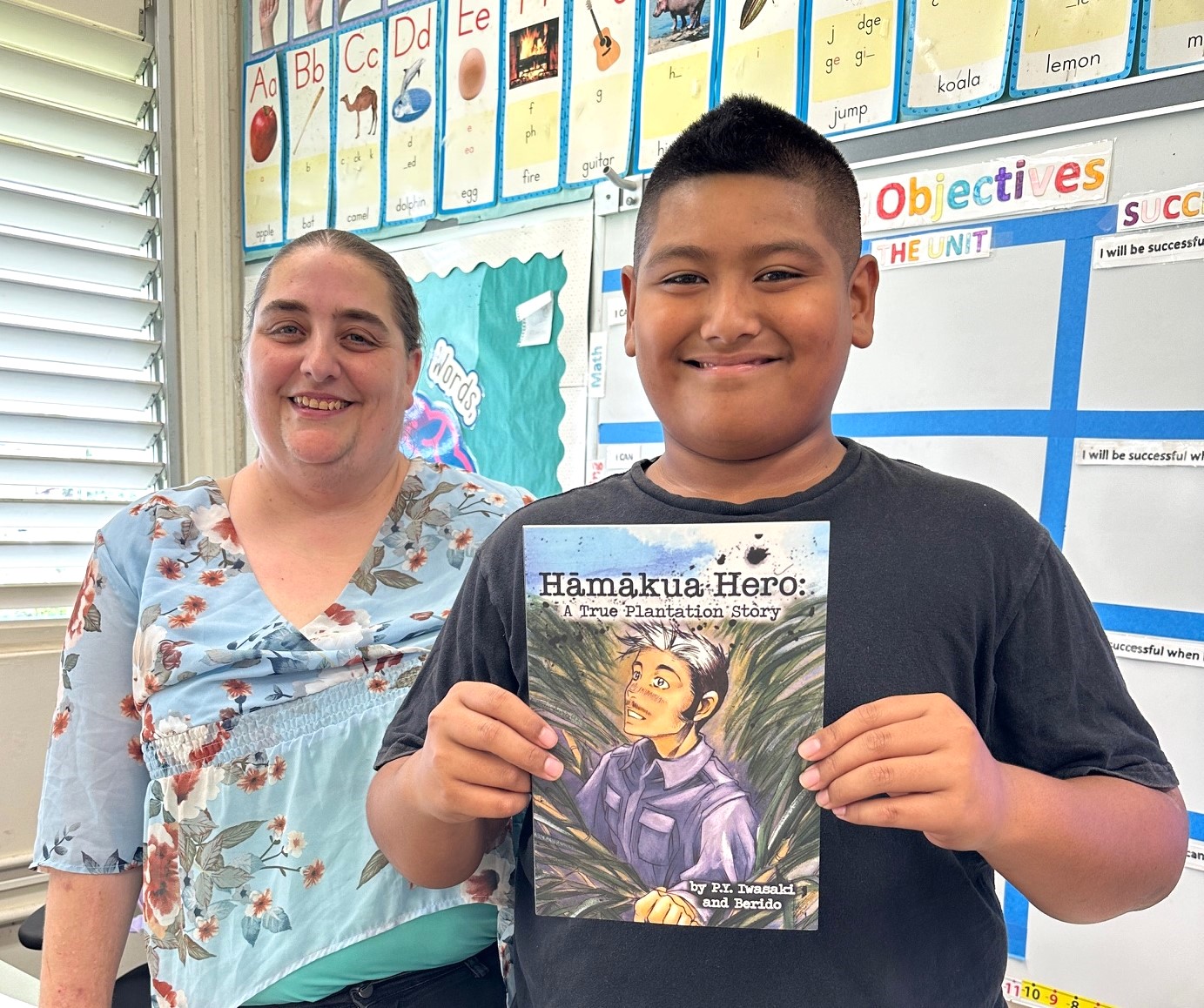
Pictured above: Benjamin Parker Elementary School educator April Bierman, with student Aleka Maae, used Hāmākua Hero as a curriculum module in the 5th and 6th grade classes and for Literacy Night with parents. Photo courtesy of Patsy Y. Iwasaki
I am so very grateful to the Hawaiʻi Council for the Humanities for awarding me the Sustaining the Humanities through the American Rescue Plan (SHARP) grant with funding from the National Endowment for the Humanities (NEH) and the federal American Rescue Plan (ARP) Act in Fall 2022. The $15,000 grant enabled the purchase and distribution of over 750 copies of the graphic novel Hāmākua Hero: A True Plantation Story to 40 teachers from east Hawaiʻi Island to use in their curriculum with their students. To ensure broader community access throughout the state, 55 copies were also donated to all of the libraries in Hawaiʻi’s state public library system.
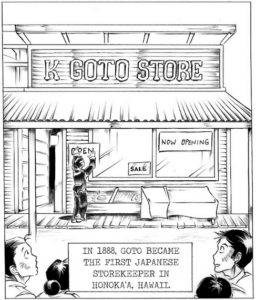
The educators integrated the graphic novel into their curricula, discussing Katsu Goto’s history as an early 19th-century Japanese migrant to Hawai‘i, labor advocate and a pivotal figure in Hawai‘i’s immigration and social history. They especially valued how this resource brought identity and heritage home to their communities, allowing students to engage with the history of an individual from their own geographic and cultural context. Follow-up interviews and surveys praised the curriculum’s scope and versatility for classroom practice and revealed impactful and transformative insights from their students.
Moving past the dates and history, students are able to engage deeply with the person behind the legacy, bridging the gap between historical narrative and meaningful, universal themes that are highly relevant today. Through the lens of Goto’s story, they find a powerful and positive connection that affirms and validates their own identities and experiences. Teachers have shared that unlike conventional teaching materials, this unique educational resource resonates with non-traditional learners who often feel disconnected in a traditional classroom setting.
A primary grant deliverable was a dedicated, accessible website where elementary through college educators contributed and shared lesson plans and best practices for broad classroom implementation and collaboration. Participating teachers in the Fall 2022 program continue to utilize Hāmākua Hero as a vital module resource in their curriculum so the grant’s impact extends far beyond the funding period and provides a sustainable educational resource.
Explore the Hāmākua Hero Curriculum.
While the grant was completed in Fall 2022, other teachers continue to integrate the graphic novel into their curriculum. At Benjamin Parker Elementary School in Kāneʻohe, O‘ahu, 5th and 6th-grade teachers adopted Hāmākua Hero for their curriculum in Fall 2024. I was honored to join them online for their Literacy Night, sharing about the featured graphic novel with families and discussing the importance of local storytelling.
“Using Hāmākua Hero in my lesson proved to be a powerful tool for engaging my students and fostering a deeper understanding of Hawaiian history and culture. My students were enamored with Hāmākua Hero and asked to read more every day, said April Bierman, a teacher with the 5th/6th grade team who invited me to be a guest for Literacy Night.
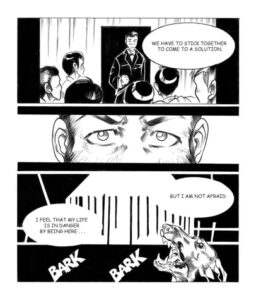
“The manga-style format and relatable characters like Katsu Goto made the historical events more accessible to students. They were able to connect with Katsu’s struggles, triumphs, and emotions, fostering empathy for the hardships faced by Japanese immigrants,” shared Bierman in the survey.
Bierman appreciated the many ways that “Hāmākua Hero can be integrated into various subjects, such as history, social studies, language arts, and even art … to create a more dynamic and meaningful learning experience for my students.” For example, about two weeks after completing the module on Hāmākua Hero in English Language Arts, her sixth grade class was studying the U.S. Constitution as part of a history lesson. As they discussed solving problems in new or different ways, one of her students, Aleka Maae, remarked that he was inspired to “do the right thing, because that’s what Katsu Goto would do. Katsu Goto tried to make the world better, and that’s important because sometimes the world is horrible and we should do something good.”
These are a few of the themes that teachers have said profoundly resonated with their students:
- Sense of place, connection, community
How Hawaiʻi came to be a multicultural society through migration and the sugar plantations and their own family history of migration. - Self-discovery, identity, heritage, belonging
Students, especially those with immigrant backgrounds, including recent migrants from the Philippines, Southeast Asia, and the Pacific, relate to the theme of cultural identity and how Goto left his home in Japan and had to evolve and adapt to a completely new environment. - Resilience, flexibility, endurance
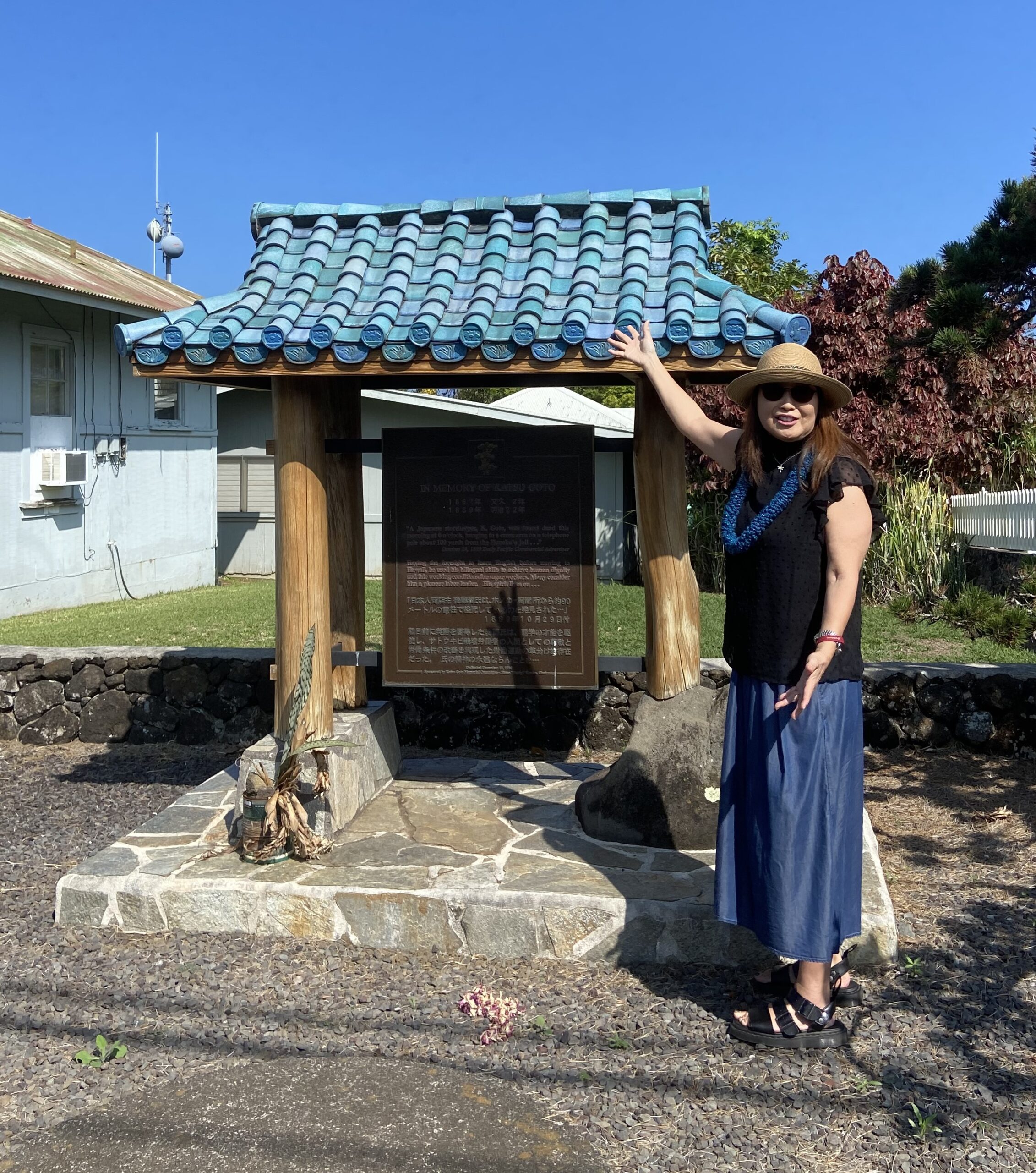
Students relate to and draw inspiration from Goto’s practical application of these important life skills.
The insights and feedback from students and teachers who are continuing to use the graphic novel are helping me to reframe Goto’s narrative. While Goto’s advocacy led to his tragic lynching when he was just 27 years old in 1889, his compelling story can be a dynamic vehicle for students and others to explore the universal human truths of identity, resilience and helping others.
A heartfelt MAHALO to the Hawaiʻi Council for the Humanities for the SHARP grant that was so very essential to bring Hāmākua Hero directly into the hands and hearts of students. In addition to conducting research and developing educational projects about Goto, I’m also currently creating and producing a documentary film about him. The idea for a documentary film became an organic and natural next step since the graphic novel pages act like storyboards for a film with panel-to-panel transitions, moment-to-moment close-ups and subject-to-subject transitions, propelling the story along like a film.
I would be honored by your continued partnership and welcome your kind support towards the completion of the documentary film. To help preserve a vital piece of history and share this important narrative with the world, please visit the “Donate” tab on the website: Katsu Goto Documentary. Thank you so very much!